

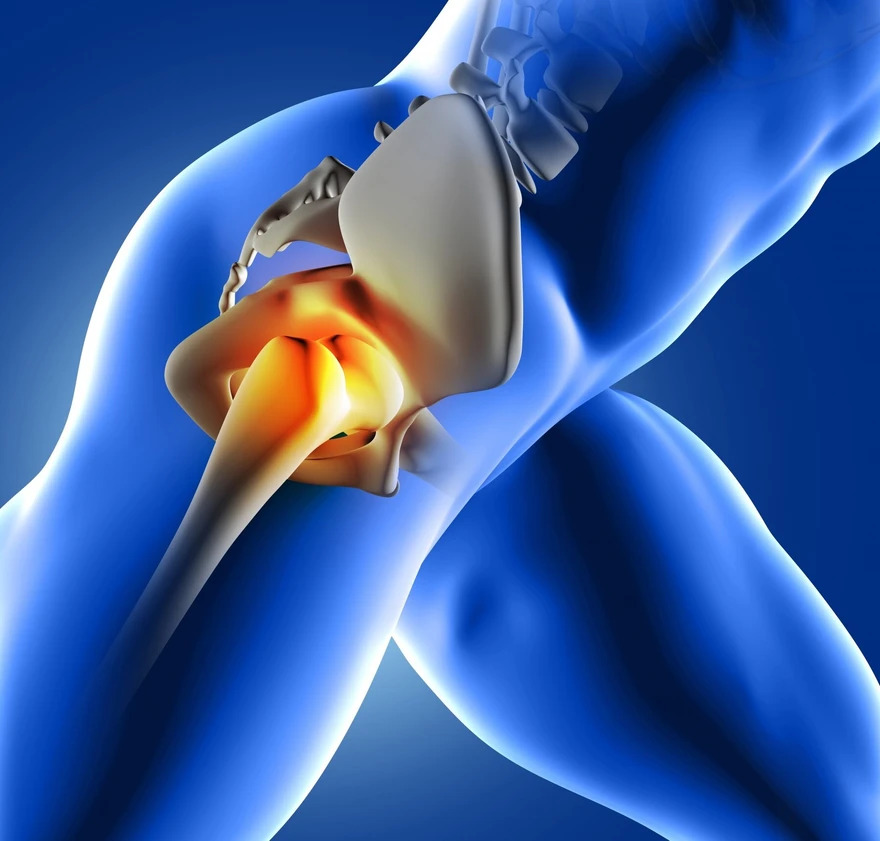
Avascular necrosis (AVN), also known as osteonecrosis, is a condition in which bone tissue begins to die due to a lack of adequate blood supply. This reduced blood flow prevents the bone from receiving essential nutrients, leading to gradual damage and weakening. Over time, the affected bone may collapse, causing severe joint problems.
What Happens in Avascular Necrosis?
In a healthy body, bones rely on a steady blood supply to remain strong and functional. When this supply is disrupted, the bone tissue deteriorates. As the condition progresses, the joint surfaces may become uneven, leading to pain, stiffness, and limited movement. If left untreated, AVN can result in joint destruction and long-term disability.
Common Symptoms
In the early stages, avascular necrosis may not present any noticeable symptoms. However, as the condition worsens, the following signs may appear:
- Pain in joints during weight-bearing activities, such as lifting or walking
- Persistent discomfort even while resting or lying down
- Pain in areas like the hip, thigh, groin, or buttocks (especially when the hip is affected)
- Reduced range of motion in the affected joint
Although the hip is most commonly affected, AVN can also impact the shoulders, knees, hands, and feet.
Causes and Risk Factors
Several factors can contribute to the development of avascular necrosis:
1. Joint Injury
Trauma, such as fractures or dislocations, can damage nearby blood vessels, reducing blood flow to the bone.
2. Fat Deposits in Blood Vessels
Accumulation of fat within blood vessels can narrow them, restricting circulation and limiting nutrient supply to the bone.
3. Long-Term Medication Use
Prolonged use of corticosteroids is a known risk factor, as it can interfere with blood circulation within bones.
4. Excessive Alcohol Consumption
Chronic alcohol intake may lead to fat buildup in blood vessels, impairing blood flow.
5. Underlying Medical Conditions
Certain diseases increase the likelihood of AVN, including:
- Sickle cell anemia
- Gaucher’s disease
- Diabetes
- HIV/AIDS
- Lupus
Possible Complications
Without timely treatment, avascular necrosis can progressively worsen. The bone may weaken and collapse, leading to joint damage. Over time, this can result in severe arthritis due to the loss of smooth joint surfaces. Chronic pain and restricted mobility may significantly affect daily life.
Diagnosis and When to Seek Help
If you experience persistent joint pain, especially during movement or while bearing weight, it is important to seek medical attention. Early diagnosis can help slow the progression and prevent complications.
Treatment Options
The treatment approach depends on the severity of the condition and the extent of bone damage.
Non-Surgical Treatments
- Medications to manage pain and inflammation
- Physical therapy to maintain joint function
- Lifestyle modifications to reduce stress on joints
Surgical Treatments
In advanced cases, surgery may be required. Options include:
- Removal of damaged bone tissue
- Bone grafting to restore structure
- Joint replacement in severe cases where the joint is significantly affected
Conclusion
Always consult with your doctor or a healthcare professional before making any major changes to your diet, lifestyle, or medical routine. They can offer personalized advice based on your current health condition and medical history.
Note – If you have any health-related concerns, please call us at +91-9058577992 to receive free consultation from our experienced doctors. Thank you.
