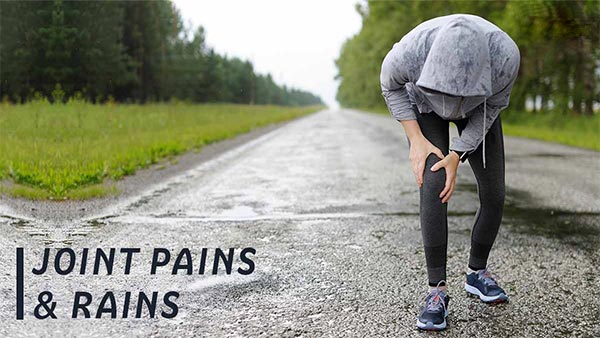
Monsoon weather can bring relief from the summer heat, but for some people, it may also be accompanied by increased joint and muscle discomfort. Changes in humidity, temperature, physical activity, diet, and daily habits can contribute to stiffness or make existing joint problems feel more noticeable. People with conditions such as osteoarthritis, rheumatoid arthritis, gout, or bursitis may be especially sensitive to these changes.
Understanding the possible causes can help you take simple steps to protect your joint health during the rainy season.
1. Changes in Weather and Humidity
Monsoon weather often brings higher humidity and fluctuations in temperature. Some people with joint conditions report greater stiffness, swelling, or aching during such weather changes. Although the exact connection between weather and joint pain is not fully understood, changes in atmospheric conditions may affect how certain people perceive pain.
Keeping indoor spaces comfortable and well ventilated may help. Exhaust fans, adequate airflow, and measures that prevent excessive indoor dampness can also reduce exposure to a humid environment.
2. Greater Exposure to Allergens
Rainy weather can encourage the growth of mold and increase exposure to other environmental allergens. Damp surroundings may also promote dust mites, while pollen, dust, and other airborne particles can affect people who are sensitive to them.
Allergies do not directly cause every type of joint pain, but inflammation and general discomfort may make existing symptoms feel worse. Keeping living areas clean, dry, and well ventilated can help reduce exposure to common irritants.
3. Changes in Diet
During the monsoon, eating habits may change. People may consume more fried snacks, refined carbohydrates, or other heavy foods while spending more time indoors. A diet that is consistently high in processed or highly refined foods may not support overall health and can contribute to an inflammatory dietary pattern.
Instead, aim for a balanced diet containing vegetables, fruits, whole grains, adequate protein, and healthy sources of fats. Staying properly hydrated is also important for general joint and muscle function.
4. Reduced Physical Activity
Rainy days can make it tempting to stay indoors and remain inactive for long periods. However, too little movement can cause muscles and joints to become stiff and may reduce flexibility and strength.
Regular, gentle exercise can help maintain mobility. Depending on your fitness level, indoor walking, stretching, yoga, or other low-impact activities may be suitable. Even short movement breaks throughout the day can be helpful if prolonged sitting is unavoidable.
5. Poor Posture and Long Periods of Sitting
Spending more time indoors may also mean longer hours sitting on a sofa, working at a desk, or using a phone or computer. Poor posture can place unnecessary stress on the back, neck, shoulders, and other joints, contributing to aches and stiffness.
Try to maintain a comfortable sitting position, keep screens at a suitable height, and take regular breaks to stand, stretch, or walk around. Small changes to everyday posture can make a noticeable difference in comfort.
Simple Ways to Manage Joint Discomfort
Managing joint pain during the monsoon involves more than focusing on the weather. Stay physically active, maintain a balanced diet, avoid prolonged inactivity, keep damp areas under control, and pay attention to posture. Gentle stretching and appropriate rest may also help when stiffness occurs.
If joint pain is severe, persistent, worsening, or accompanied by significant swelling, redness, fever, or difficulty moving the affected joint, seek professional medical advice rather than relying only on home measures.
Conclusion
Monsoon-related changes can make joint discomfort more noticeable for some people, particularly those who already have joint conditions. Higher humidity, increased allergens, dietary changes, reduced activity, and poor posture can all contribute to stiffness or discomfort. Maintaining regular movement, eating a balanced diet, keeping indoor spaces comfortable, and following healthy posture habits can support better joint health. If symptoms continue or become troublesome, consult a qualified healthcare professional for appropriate evaluation and guidance.
Important Note
About Hashmi Dawakhana
Hashmi Dawakhana is located at Qazi Zada Street, Amroha–244221, Uttar Pradesh, India. It provides care for a range of men’s and women’s health concerns, including sexual and reproductive health, diabetes, general health, and immunity-related issues. Special care is provided for concerns such as premature ejaculation, difficulty with erection, sexual weakness, reduced libido, women’s intimate health problems, and difficulties related to conception.
Patients who have not experienced relief even after seeking treatment from several places can visit Hashmi Dawakhana for better guidance and treatment. You can visit the clinic to obtain medicines or take advantage of the facility to order medicines online from home. Ayurvedic and Unani medicines are available and are prepared with good quality standards and scientific methods.
Health Consultation
Looking for trusted health guidance? Call or WhatsApp at this number +91-9058577992 today for a FREE consultation with our health doctors. Your privacy, dignity, and well-being are our priority.

Leave a Reply