

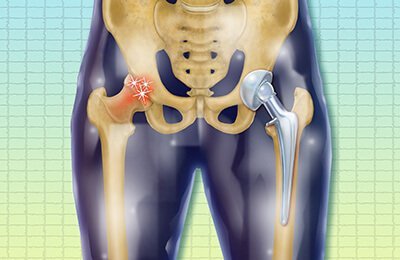
In recent years, hip bone disorders have increasingly affected younger individuals, not just the elderly. A growing number of cases are linked to lifestyle habits such as excessive steroid use for bodybuilding, alcohol consumption at an early age, and injuries from road accidents. As a result, hip replacement surgery is no longer limited to older adults; many young patients are now undergoing this procedure to restore mobility and relieve pain.
Why Are Young People at Higher Risk?
Today, many young adults are focused on achieving a muscular and athletic physique. While regular exercise is beneficial, the misuse of anabolic steroids to accelerate muscle growth can have serious side effects. Long-term or excessive steroid use may reduce blood supply to the hip joint, increasing the risk of a condition known as osteonecrosis, where bone tissue begins to die.
Peer pressure also plays a role, as some young individuals begin consuming alcohol at an early age. Excessive alcohol intake can weaken bones and contribute to joint damage over time.
In addition, high-speed driving and road traffic accidents have become common causes of hip injuries. The hip joint often absorbs significant impact during accidents, leading to fractures or severe joint damage. If not treated properly and promptly, such injuries can result in long-term disability.
Increasing Number of Hip Disorder Cases
The number of patients experiencing hip-related problems continues to rise. Many individuals seek medical help when pain becomes severe and daily activities such as walking, climbing stairs, or even sitting become difficult. If hip fractures or joint damage are not managed at the right time, patients may face complications that significantly affect mobility and independence.
When conservative treatments such as medication, physical therapy, or lifestyle modifications fail to provide relief, surgical intervention may be recommended.
What Is Hip Replacement (Arthroplasty)?
Hip replacement, also known as arthroplasty, is a surgical procedure in which the damaged parts of the hip joint are removed and replaced with artificial components called prostheses. These artificial parts are designed to replicate the natural movement of the hip joint.
The primary goal of this surgery is to reduce pain, restore joint function, and help patients return to their normal routine. For many individuals suffering from severe joint damage, hip replacement can significantly improve quality of life.
When Is Hip Replacement Needed?
Hip replacement surgery may be necessary in several conditions, including:
- Osteoarthritis (wear-and-tear arthritis)
- Rheumatoid arthritis
- Osteonecrosis
- Severe fractures
- Bone tumors
- Traumatic injuries
Advancements in medical technology have made minimally invasive hip replacement increasingly common. In this approach, surgeons make a small incision to remove the damaged joint and insert the prosthesis. This technique often leads to less tissue damage, reduced pain after surgery, and faster recovery.
There are two main types of prostheses used in hip replacement:
- Cemented prosthesis: Typically recommended for older adults, individuals with osteoporosis, or those with weaker bones.
- Uncemented prosthesis: Generally preferred for younger, more active patients with stronger bone structure.
The choice depends on the patient’s age, bone quality, and activity level.
Always consult with your doctor or a healthcare professional before making any major changes to your diet, lifestyle, or medical routine. They can offer personalized advice based on your current health condition and medical history.
Note – If you have any health-related concerns, please call us at +91-9058577992 to receive free consultation from our experienced doctors. Thank you
