

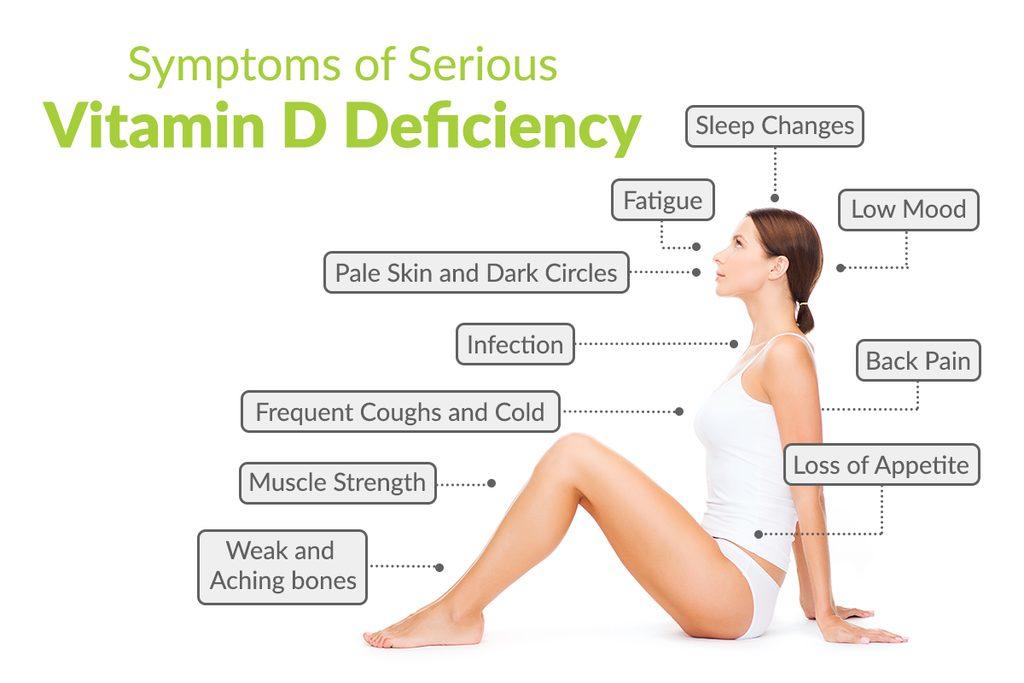
Vitamin D is an essential nutrient that plays a vital role in maintaining overall health. It functions more like a hormone in the body, supporting several important systems. A lack of Vitamin D can lead to various health concerns, including weakened bones, changes in skin tone, and even unwanted weight gain. To stay healthy, it is important to ensure that your body receives an adequate amount of this nutrient through sunlight exposure and dietary sources.
Often, Vitamin D deficiency goes unnoticed because its symptoms can be mild or easily mistaken for other conditions. However, recognizing the warning signs early can help prevent long-term health complications.
Common Signs of Vitamin D Deficiency
1. Frequent Infections
Vitamin D supports the immune system and helps the body fight harmful bacteria and viruses. If you find yourself getting sick often or experiencing repeated infections, it may be a sign that your Vitamin D levels are low. A weakened immune response can make recovery slower and increase susceptibility to illness.
2. Persistent Fatigue and Weakness
Constant tiredness and low energy levels are common indicators of Vitamin D deficiency. Even after adequate rest, you may continue to feel exhausted. While fatigue can have many causes, low Vitamin D levels are often overlooked as a contributing factor.
3. Bone and Joint Pain
Vitamin D helps the body absorb calcium, which is essential for maintaining strong bones. When Vitamin D levels are insufficient, bones may become weak, leading to pain, discomfort, and increased sensitivity. Over time, this can raise the risk of fractures and bone-related disorders.
4. Muscle Pain and Weakness
Muscle aches, cramps, and reduced strength can also point toward deficiency. People may notice difficulty performing everyday physical activities due to decreased muscle performance.
5. Mood Changes and Depression
Low Vitamin D levels have been linked to mood disorders, including depression. Adults, in particular, may experience persistent sadness, mood swings, or a general sense of low well-being. While Vitamin D is not the sole cause of depression, maintaining healthy levels may support emotional balance.
Additional Health Concerns
In some cases, individuals may not experience obvious symptoms despite having low Vitamin D levels. Pregnant women with deficiency may pass it on to their babies, potentially affecting the child’s development. Therefore, regular health check-ups and blood tests can help detect hidden deficiencies.
Main Sources of Vitamin D
1. Sunlight
Exposure to sunlight is one of the most effective natural ways to increase Vitamin D levels. Spending 15–30 minutes in the sun several times a week can help the body produce sufficient amounts, depending on skin type and climate.
2. Fatty Fish
Fish such as salmon, tuna, and mackerel are rich in Vitamin D and provide additional heart-healthy nutrients.
3. Mushrooms
Certain varieties of mushrooms naturally contain Vitamin D, especially when exposed to sunlight during growth.
4. Fortified Cereals
Many breakfast cereals are enriched with Vitamin D and can be a convenient dietary option.
5. Egg Yolks
The yellow portion of the egg contains Vitamin D along with other essential nutrients.
Conclusion
Always consult with your doctor or a healthcare professional before making any major changes to your diet, lifestyle, or medical routine. They can offer personalized advice based on your current health condition and medical history. Note – If you have any health-related concerns, please call us at +91-9058577992 to receive free consultation from our experienced doctors. Thank you
