

Osteoporosis is a common bone disorder that affects millions of people worldwide, particularly older adults. It is estimated that around 200 million women across the globe are living with this condition. The risk increases significantly with age—about one in ten women at 60 years old is affected, one in five at 70, two in five at 80, and nearly two-thirds by the age of 90.
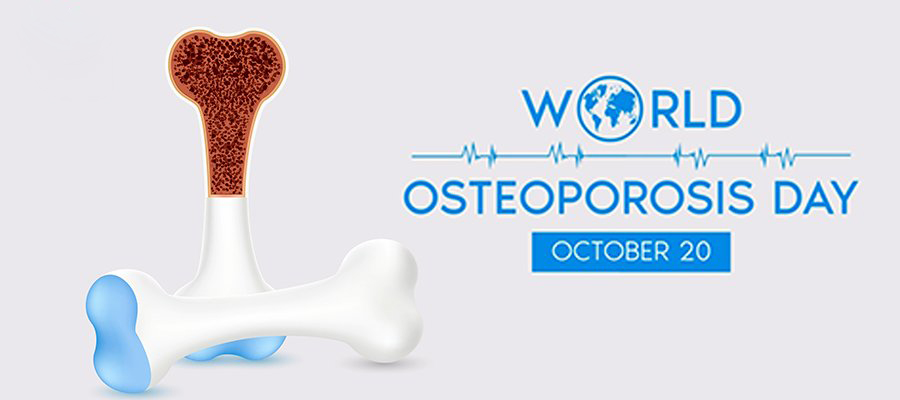
Every year, October 20 is observed as World Osteoporosis Day, a reminder to spread awareness about bone health and preventive care.
What Is Osteoporosis?
Osteoporosis is a condition in which bones become weak, fragile, and more likely to break. The disease gradually reduces bone density and strength, often without noticeable symptoms in its early stages. As bones lose their structural integrity, even a minor fall or sudden movement can lead to fractures.
Hip, spine, and wrist fractures are especially common among people with osteoporosis. Many individuals dismiss early warning signs as a natural part of aging, which delays diagnosis and treatment. Lack of awareness about risk factors further increases the chances of severe complications.
Globally, osteoporosis is responsible for more than 8.9 million fractures each year. This means that an osteoporosis-related fracture occurs approximately every three seconds.
Impact and Statistics
Studies conducted on approximately 500,000 patients with osteoporosis revealed that nearly 200,000 suffered hip fractures, while about 300,000 experienced wrist fractures. These findings highlight the serious impact of osteoporosis on bone health and overall quality of life.
The condition can result in long-term disability, loss of independence, and reduced mobility, especially in older adults. Women are more commonly affected than men due to hormonal changes after menopause, which accelerate bone loss.
Symptoms of Osteoporosis
Osteoporosis is often referred to as a “silent disease” because it may not show clear symptoms until a fracture occurs. However, some common warning signs include:
- Persistent back pain
- Fractures caused by minor injuries
- Gradual loss of height
- Stooped posture or development of a hunched back
- Constant fatigue or weakness
Bones are made up of calcium, phosphorus, protein, and other essential minerals. As people age, maintaining proper nutrition becomes increasingly important to preserve bone strength.
Causes and Risk Factors
Several factors contribute to the development of osteoporosis. These include:
- Poor dietary habits
- Lack of physical activity
- Excessive alcohol consumption
- Low levels of calcium and vitamin D
- Insufficient protein intake
- Hormonal changes
- Family history of osteoporosis
Genetics can also play a role. Individuals with parents who have osteoporosis may have a higher risk of developing the condition themselves.
Treatment and Management
Early diagnosis and timely treatment are essential for preventing complications. Bone density testing can help detect the disease before fractures occur.
Treatment may involve:
- Calcium and vitamin D supplements
- Prescription medications to strengthen bones
- Regular weight-bearing exercises
- Lifestyle modifications such as quitting smoking and reducing alcohol intake
In cases where hip joints are severely damaged and pain persists despite conservative treatment, hip replacement surgery may be recommended. This procedure can significantly improve mobility and overall quality of life for affected individuals.
Conclusion
Always consult with your doctor or a healthcare professional before making any major changes to your diet, lifestyle, or medical routine. They can offer personalized advice based on your current health condition and medical history.
Note – If you have any health-related concerns, please call us at +91-9058577992 to receive free consultation from our experienced doctors. Thank you
