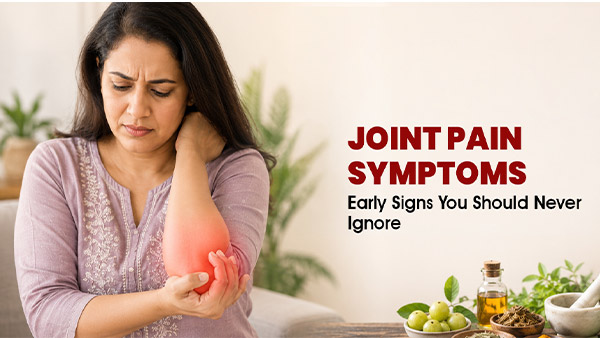
Joint pain, medically known as arthralgia, is a common problem that can affect people of different ages. It may occur in one joint or several joints and can sometimes make everyday activities such as walking, working, or climbing stairs uncomfortable.
Understanding how joints work, what causes pain, and when to seek medical advice can help you take better care of your joint health.
What Are Joints?
Joints are the places where two or more bones meet. They connect the skeletal system and allow the body to move while also providing stability.
There are three main types of joints:
Fibrous Joints
Fibrous joints are connected by strong connective tissue and allow little or no movement. The joints between the bones of the skull are common examples. These joints provide strength and help protect important structures such as the brain.
Cartilaginous Joints
Cartilaginous joints connect bones through cartilage and allow limited movement. They include synchondroses, such as the growth plates found in children, and symphyses, such as the pubic symphysis and the joints between certain parts of the spine.
Synovial Joints
Synovial joints are the most movable joints in the body. They contain a smooth cartilage surface, a joint capsule, and synovial fluid that helps reduce friction during movement. The shoulder, hip, knee, and elbow are examples of synovial joints.
Common Causes of Joint Pain
Joint pain can have many causes. Pain affecting several joints is sometimes called polyarthralgia.
- Injuries: Falls, sports injuries, overuse, sprains, strains, and fractures can cause joint pain. Ligament injuries, including damage to the ACL, are common in some sports.
- Infections: Certain viral infections, including hepatitis C, may be associated with joint pain and other rheumatic symptoms.
- Autoimmune conditions: Diseases such as lupus can cause pain and stiffness when the immune system mistakenly attacks healthy tissues.
- Arthritis: Osteoarthritis, rheumatoid arthritis, gout, and septic arthritis can all affect joints. Their causes and treatments are different, so proper diagnosis is important.
Symptoms That May Occur
Joint pain may occur along with tenderness, stiffness, swelling, reduced range of movement, weakness, or fatigue. Some people experience symptoms mainly after physical activity, while others may have persistent discomfort.
Sudden, severe pain, significant swelling, redness, warmth around a joint, or difficulty using the affected limb may require prompt medical evaluation.
How Is Joint Pain Diagnosed?
A healthcare professional generally begins by asking about your symptoms, previous injuries, medical history, and when the pain started. The affected joints may also be examined for swelling, tenderness, strength, and movement.
Depending on the symptoms, doctors may recommend blood tests or imaging studies. Tests can include markers such as C-reactive protein, erythrocyte sedimentation rate, rheumatoid factor, uric acid, or antinuclear antibodies. X-rays, ultrasound, MRI, or CT scans may also be used when appropriate.
Diet and Traditional Wellness Support
A balanced diet can support overall health and may be helpful as part of a healthy lifestyle for people experiencing joint discomfort. Foods such as fatty fish, berries, walnuts, flaxseeds, leafy greens, whole grains, and olive oil provide nutrients associated with general wellness.
Traditional herbs such as turmeric and ginger have long been valued in Ayurveda and other traditional systems for their wellness and anti-inflammatory properties. Green tea and other plant-based foods can also contribute useful antioxidants to the diet. These approaches should complement, rather than replace, appropriate medical care.
Ayurvedic and Unani approaches may also have a traditional role in supporting general well-being. Products and treatments should be selected responsibly and, particularly when symptoms are persistent or medicines are already being used, with suitable professional guidance.
When Should You See a Doctor?
Consider seeking medical advice if joint pain is persistent, keeps returning, becomes severe, limits normal activities, or is accompanied by swelling, fever, redness, or significant difficulty moving the joint.
Early evaluation can help identify the underlying cause and guide appropriate treatment. Depending on the condition, care may include rest, physical therapy, medicines, lifestyle measures, or specialist evaluation.
About Hashmi Dawakhana
Hashmi Dawakhana is located at Qazi Zada Street, Amroha–244221, Uttar Pradesh, India. It provides care for a range of men’s and women’s health concerns, including sexual and reproductive health, diabetes, general health, and immunity-related issues. Special care is provided for concerns such as premature ejaculation, difficulty with erection, sexual weakness, reduced libido, women’s intimate health problems, and difficulties related to conception.
Patients who have not experienced relief even after seeking treatment from several places can visit Hashmi Dawakhana for better guidance and treatment. You can visit the clinic to obtain medicines or take advantage of the facility to order medicines online from home. Ayurvedic and Unani medicines are available and are prepared with good quality standards and scientific methods.
Health Consultation:
Looking for trusted health guidance? Call or WhatsApp at this number +91-9058577992 today for a FREE consultation with our health doctors. Your privacy, dignity, and well-being are our priority.
Joint pain, medically known as arthralgia, is a common problem that can affect people of different ages. It may occur in one joint or several joints and can sometimes make everyday activities such as walking, working, or climbing stairs uncomfortable.
Understanding how joints work, what causes pain, and when to seek medical advice can help you take better care of your joint health.
What Are Joints?
Joints are the places where two or more bones meet. They connect the skeletal system and allow the body to move while also providing stability.
There are three main types of joints:
Fibrous Joints
Fibrous joints are connected by strong connective tissue and allow little or no movement. The joints between the bones of the skull are common examples. These joints provide strength and help protect important structures such as the brain.
Cartilaginous Joints
Cartilaginous joints connect bones through cartilage and allow limited movement. They include synchondroses, such as the growth plates found in children, and symphyses, such as the pubic symphysis and the joints between certain parts of the spine.
Synovial Joints
Synovial joints are the most movable joints in the body. They contain a smooth cartilage surface, a joint capsule, and synovial fluid that helps reduce friction during movement. The shoulder, hip, knee, and elbow are examples of synovial joints.
Common Causes of Joint Pain
Joint pain can have many causes. Pain affecting several joints is sometimes called polyarthralgia.
- Injuries: Falls, sports injuries, overuse, sprains, strains, and fractures can cause joint pain. Ligament injuries, including damage to the ACL, are common in some sports.
- Infections: Certain viral infections, including hepatitis C, may be associated with joint pain and other rheumatic symptoms.
- Autoimmune conditions: Diseases such as lupus can cause pain and stiffness when the immune system mistakenly attacks healthy tissues.
- Arthritis: Osteoarthritis, rheumatoid arthritis, gout, and septic arthritis can all affect joints. Their causes and treatments are different, so proper diagnosis is important.
Symptoms That May Occur
Joint pain may occur along with tenderness, stiffness, swelling, reduced range of movement, weakness, or fatigue. Some people experience symptoms mainly after physical activity, while others may have persistent discomfort.
Sudden, severe pain, significant swelling, redness, warmth around a joint, or difficulty using the affected limb may require prompt medical evaluation.
How Is Joint Pain Diagnosed?
A healthcare professional generally begins by asking about your symptoms, previous injuries, medical history, and when the pain started. The affected joints may also be examined for swelling, tenderness, strength, and movement.
Depending on the symptoms, doctors may recommend blood tests or imaging studies. Tests can include markers such as C-reactive protein, erythrocyte sedimentation rate, rheumatoid factor, uric acid, or antinuclear antibodies. X-rays, ultrasound, MRI, or CT scans may also be used when appropriate.
Diet and Traditional Wellness Support
A balanced diet can support overall health and may be helpful as part of a healthy lifestyle for people experiencing joint discomfort. Foods such as fatty fish, berries, walnuts, flaxseeds, leafy greens, whole grains, and olive oil provide nutrients associated with general wellness.
Traditional herbs such as turmeric and ginger have long been valued in Ayurveda and other traditional systems for their wellness and anti-inflammatory properties. Green tea and other plant-based foods can also contribute useful antioxidants to the diet. These approaches should complement, rather than replace, appropriate medical care.
Ayurvedic and Unani approaches may also have a traditional role in supporting general well-being. Products and treatments should be selected responsibly and, particularly when symptoms are persistent or medicines are already being used, with suitable professional guidance.
When Should You See a Doctor?
Consider seeking medical advice if joint pain is persistent, keeps returning, becomes severe, limits normal activities, or is accompanied by swelling, fever, redness, or significant difficulty moving the joint.
Early evaluation can help identify the underlying cause and guide appropriate treatment. Depending on the condition, care may include rest, physical therapy, medicines, lifestyle measures, or specialist evaluation.
About Hashmi Dawakhana
Hashmi Dawakhana is located at Qazi Zada Street, Amroha–244221, Uttar Pradesh, India. It provides care for a range of men’s and women’s health concerns, including sexual and reproductive health, diabetes, general health, and immunity-related issues. Special care is provided for concerns such as premature ejaculation, difficulty with erection, sexual weakness, reduced libido, women’s intimate health problems, and difficulties related to conception.
Patients who have not experienced relief even after seeking treatment from several places can visit Hashmi Dawakhana for better guidance and treatment. You can visit the clinic to obtain medicines or take advantage of the facility to order medicines online from home. Ayurvedic and Unani medicines are available and are prepared with good quality standards and scientific methods.
Health Consultation:
Looking for trusted health guidance? Call or WhatsApp at this number +91-9058577992 today for a FREE consultation with our health doctors. Your privacy, dignity, and well-being are our priority.

Leave a Reply